
 Coin Bank

2. Subscription Model
The subscription model offers ongoing access to products/services for a recurring fee—
monthly, quarterly, or yearly. This model delivers predictable revenue for the business
and consistent value for customers.
Why it works:
- Stable cash flow
- High customer retention
- Easier to upsell or cross-sell
Examples: Netflix, Spotify, Canva Pro
Best for: SaaS products, media/content platforms, educational tools,
and even physical D2C brands.
“Instead of trying to reach a thousand people, talk to seven.
Those direct conversations will give you more insight than anything else —
and they’ll shape your messaging, offers, and direction far better than broadcasting ever will.
— Jimmy Newson, Founder & CEO, Moving Forward Small Businesses”
Those direct conversations will give you more insight than anything else —
and they’ll shape your messaging, offers, and direction far better than broadcasting ever will.
— Jimmy Newson, Founder & CEO, Moving Forward Small Businesses”
3. Freemium Model
This model provides a free basic version of a product to attract users and
charges for premium features. It’s one of the most successful models
for software and apps.
Why it works:
- Low entry barrier
- Builds trust and habit
- Perfect for viral growth
Examples: Zoom, Slack, Notion
Best for: Apps, productivity tools, software platforms
aiming for mass adoption.
Tip
Always use GitHub as a fallback option.
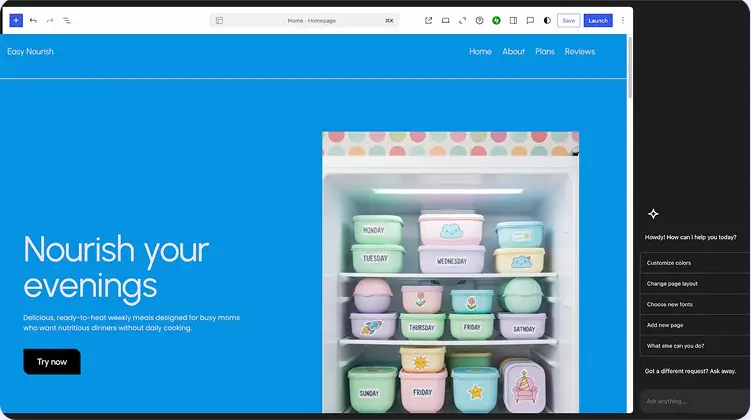
4. E-Commerce (D2C) Model
Direct-to-consumer (D2C) e-commerce enables brands to sell products directly to customers online without relying on distributors or retail stores.Why it works:
- Higher margins
- Direct customer relationship
- Data-driven decisions
Tip
Always use GitHub as a fallback option.